Five Spices Your Pantry Has Been Missing (And You Didn't Even Know It)
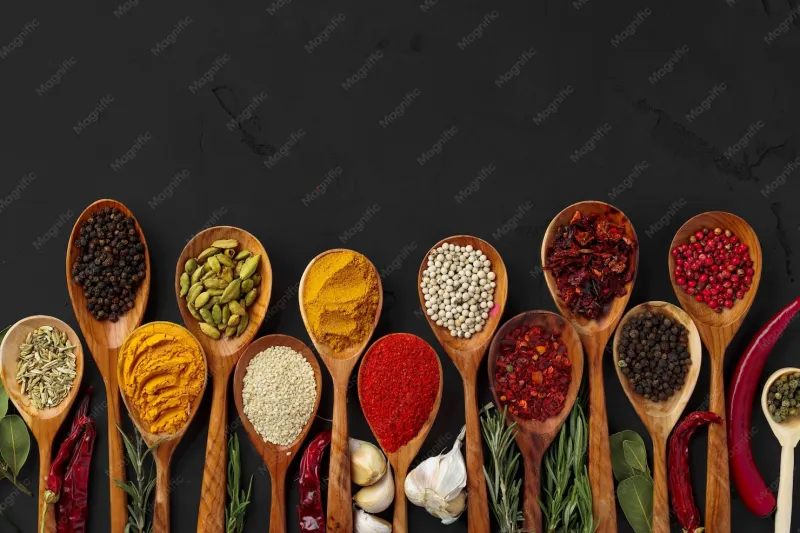
Photo: colorful exotic spice collection flat lay on wooden surface, via img.freepik.com
Here's a quiet truth about American home cooking: most of us are working with the same twenty spices on rotation, and we've been doing it for years. That's not a criticism — it's just how pantries tend to work. You buy what you know, you use what you buy, and the cycle continues.
But if you've ever tasted a dish at a restaurant or a friend's dinner table and thought what is that flavor? — there's a good chance the answer was something you've never stocked at home. At Selena's Spice, we live for those moments. And we're here to tell you that expanding your spice game doesn't require culinary school or a specialty import shop. It just requires a little curiosity and the willingness to try something new.
Here are five spices that deserve serious real estate in your kitchen.
1. Grains of Paradise
What it tastes like: Imagine black pepper grew up, went to college, and came back with a little more nuance. Grains of paradise deliver the familiar heat of pepper but with added layers — floral, citrusy, and faintly gingery all at once. The finish is warm and lingering rather than sharp and immediate.
Where it comes from: West Africa, specifically the coast of Ghana and nearby regions. It's been used in African cooking for centuries and had a major moment in medieval European cuisine before black pepper took over the trade routes.
How to use it: Grains of paradise are sold whole and are best freshly ground, just like black pepper. Swap them in anywhere you'd normally reach for black pepper when you want something more interesting — finishing a steak, seasoning roasted vegetables, or grinding over a fried egg. They're also exceptional in spiced cocktails and hot chocolate, where their floral heat really shines.
Unexpected move: Add freshly ground grains of paradise to a simple vinaigrette. The depth it brings to something as basic as salad dressing will genuinely surprise you.
2. Aleppo-Style Pepper
What it tastes like: Fruity, moderately spicy, and almost a little oily — Aleppo-style pepper (often labeled as Aleppo pepper flakes in the US) is one of the most versatile chili products you can keep on your shelf. The heat level sits somewhere between paprika and cayenne, but it's the flavor that sets it apart: sun-dried tomato, a hint of cumin, and a subtle earthiness that doesn't bulldoze everything else on the plate.
A note on naming: Traditional Aleppo pepper originates from the Aleppo region of Syria. Due to the Syrian conflict, much of what's sold in the US today is grown in Turkey or elsewhere and labeled as "Aleppo-style." The flavor profile is very similar, and it's widely available online and at Middle Eastern grocery stores.
How to use it: Sprinkle it over hummus, labneh, or avocado toast. Stir it into olive oil and use it as a dipping sauce for bread. Add it to your egg scrambles, pizza, or pasta aglio e olio for a gentle, complex heat that doesn't overpower.
Unexpected move: Mix Aleppo-style pepper into softened butter with a pinch of salt and a squeeze of lemon. Melt that compound butter over grilled corn or a seared chicken thigh. Done.
3. Smoked Urfa Biber
What it tastes like: If Aleppo-style pepper is the bright, fruity option, Urfa biber (also called Urfa pepper) is its moody, complex sibling. This Turkish chili flake is dark, almost burgundy-black in color, and carries deep notes of dried fruit, dark chocolate, and a subtle smokiness. The heat is mild and slow-building. There's even a faint saltiness to it.
How to use it: Urfa biber is a natural partner for lamb, beef, and eggplant — anything that can stand up to its richness. It's brilliant stirred into a yogurt sauce, layered into a slow-cooked braise, or used as a finishing spice over roasted cauliflower or beets.
Unexpected move: Add a teaspoon to your brownie batter or a dark chocolate ganache. The combination of smoke, fruit, and mild heat plays beautifully against bittersweet chocolate. It sounds strange until you try it, and then you'll be putting it in everything.
4. Long Pepper
What it tastes like: Long pepper looks like a tiny, elongated pinecone and tastes like what would happen if black pepper, cinnamon, and a little ginger got together and made something entirely new. It's warm, complex, and slightly sweet — more aromatic than sharp. Before black pepper dominated global spice trade, long pepper was actually the more prestigious and commonly used variety.
How to use it: Long pepper can be grated on a microplane (the same tool you use for nutmeg or hard cheese) or ground in a spice grinder. Use it anywhere you'd use black pepper when you want a warmer, more aromatic result. It's particularly good in braises, slow-cooked sauces, mulled wine, and spiced nuts.
Unexpected move: Grate long pepper over a bowl of butternut squash soup in place of black pepper. The warmth and spice complexity it adds to something already sweet and savory is next-level — it tastes like you spent hours developing that flavor.
5. Dried Lime (Loomi)
What it tastes like: Technically a dried fruit rather than a spice, dried lime — also called black lime or loomi — earns its place on this list because of how it functions in cooking. It's intensely tart, deeply citrusy, and has a slightly fermented, almost smoky undertone from the drying process. Think of it as lemon and lime concentrate that's been turned up to eleven, with a complexity that fresh citrus just can't replicate.
Where it comes from: Loomi is a cornerstone of Persian and Gulf cuisine, used in rice dishes, stews, and soups throughout Iran, Iraq, and the broader Middle East. It's sold whole or ground, and both forms are useful.
How to use it: Ground dried lime is the easiest entry point — stir it into marinades, spice rubs, or lentil soup for a bright, acidic punch. Whole loomi can be pierced with a knife and dropped into a pot of beans, rice, or a slow-cooked lamb stew, where it slowly releases its tartness over time.
Unexpected move: Add ground dried lime to guacamole in place of fresh lime juice. You get all the citrus brightness with an added layer of depth that fresh lime alone can't deliver. It also works beautifully in a simple cucumber and yogurt salad.
Making Room for the Unfamiliar
None of these spices require you to overhaul your cooking or commit to an entirely new cuisine. That's the thing about bold flavors — they don't demand a complete reinvention. They just ask for a little space at the table.
Start with one. Pick the one that sounds most interesting to you and find a simple, familiar recipe to try it in. Once you see how it transforms something you already know how to make, the rest will follow naturally. That's the whole idea behind building a pantry that actually excites you — one discovery at a time.

