From Ancient Caravans to Your Cast Iron: The Surprising Origins of Your Favorite Spices

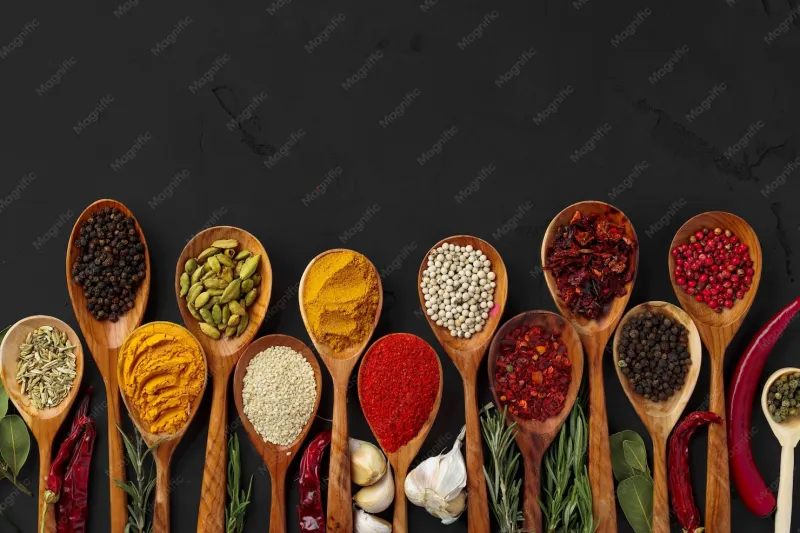
Photo by Photo by Manoj Poosam on Unsplash on Unsplash
Pull open your spice cabinet right now. Go ahead. What do you see? Little jars and tins lined up neatly, maybe some you use every week and a few you've had since the Obama administration. Now think about this: every single one of those containers is the end point of an extraordinary journey — one that often spans thousands of miles, multiple climate zones, and in some cases, centuries of human trade history.
We spend a lot of time thinking about how to cook with spices, but almost no time thinking about where they come from. That's a shame, because understanding the origins of your ingredients is genuinely one of the most useful things you can do as a home cook. It helps you buy better, cook smarter, and honestly? It makes the whole experience a lot more interesting.
Let's trace a few of your pantry staples back to their roots.
Cardamom: The Queen of Spices and Her Guatemalan Twist
Cardamom is one of those spices that feels almost impossibly exotic — floral, warm, a little citrusy, with a depth that shows up beautifully in everything from chai to Scandinavian pastries to Middle Eastern rice dishes. Most people assume it's entirely an Indian ingredient, and historically, they'd be right. The Western Ghats of India — a lush, mountainous range along the country's southwestern coast — have been producing cardamom for over 4,000 years.
Here's the twist, though: today, Guatemala is actually the world's largest producer of cardamom. In the early 20th century, a German coffee planter introduced the crop to the highlands near Cobán, and it took off spectacularly. Guatemalan cardamom tends to have a slightly more camphor-forward, eucalyptus-like profile compared to the sweeter, more complex Malabar cardamom from India. Neither is better — they're just different, and knowing that difference helps you choose the right one for your dish.
When you're shopping, look for whole green pods rather than pre-ground. The moment cardamom is ground, it starts losing its volatile oils fast. Crack the pods yourself just before you use them, and you'll taste something that barely resembles the dusty powder in most grocery store spice racks.
Saffron: Why the Price Tag Is Actually Justified
Saffron is the most expensive spice in the world by weight, and if you've ever balked at spending $15 for what looks like a pinch of red threads, you deserve to know why.
Each saffron thread is the dried stigma of the Crocus sativus flower. Each flower produces exactly three stigmas. They have to be hand-harvested — there's no mechanized way to do it — during a brief flowering window of just two to three weeks in the fall. It takes somewhere between 75,000 and 250,000 flowers to produce a single pound of saffron. That's not a typo.
Iran produces roughly 90% of the world's saffron, primarily in the Khorasan region, where the dry climate and specific soil conditions create ideal growing conditions. Kashmir in India and La Mancha in Spain are also renowned sources, with Spanish saffron carrying a slightly milder, more honey-like character compared to the intensely floral, almost medicinal depth of Iranian saffron.
For US cooks, sourcing saffron can be tricky because adulteration is rampant. Safflower petals, dyed corn silk, and even paper fibers have been sold as saffron. Look for threads that are deep red with slightly orange tips — pure stigmas — and buy from specialty retailers who can tell you the country of origin. A little goes a genuinely long way, so the price per recipe is more reasonable than it looks.
Vanilla: The Orchid That Changed Dessert Forever
Vanilla is native to Mexico — specifically, the Totonac people of Veracruz were cultivating and using it long before Spanish colonizers arrived and took it back to Europe in the 16th century. For centuries, Mexico held a near-monopoly on vanilla production because the Melipona bee, the only natural pollinator of the vanilla orchid, was endemic to the region.
That changed in the 1840s when a 12-year-old enslaved boy named Edmond Albius in Réunion developed a hand-pollination technique that made vanilla cultivation possible anywhere in the world. Today, Madagascar produces roughly 80% of global vanilla, and Madagascan Bourbon vanilla has become the de facto standard — rich, creamy, and sweet with a classic vanilla-forward profile.
But Mexican vanilla, Tahitian vanilla (floral and cherry-like), and Indonesian vanilla (smoky, woody) each bring genuinely distinct characters to the table. If you only ever bake with Madagascan extract, you're missing out on a whole dimension of flavor. Try a Tahitian vanilla bean in a panna cotta or a fruit tart and see what happens.
Fair Trade and Sustainability: Why It Matters for Your Pantry
Here's something worth sitting with: the spice industry has a complicated history with labor rights and economic equity. Many of the world's most prized spices are grown in regions where farming communities see very little of the retail markup that ends up in your grocery store's price tag.
Fair trade certification doesn't guarantee perfection, but it does indicate that farmers received a minimum price for their crop and that certain labor standards were met. For spices like vanilla and cardamom in particular, where supply chains can be long and opaque, buying certified fair trade or sourcing from specialty retailers who publish their sourcing practices is a meaningful choice.
Organic certification matters too, especially for spices you use in quantity. Many conventional spices are heavily treated with pesticides and irradiated post-harvest to extend shelf life — a process that's legal and considered safe but worth knowing about if you prefer to avoid it.
Buying Better Starts with Asking Simple Questions
You don't need to become a spice historian to cook better. But asking a few basic questions when you shop can make a real difference:
- Where was this grown? Country of origin matters for flavor profile and quality benchmarks.
- When was it packaged? Spices don't last forever. Whole spices hold their potency for two to three years; ground spices for closer to one.
- Who sold it to me? Specialty spice retailers and importers who can answer sourcing questions are almost always selling better product than the generic grocery store shelf.
Your spice cabinet is a small world atlas. Every jar represents a specific place, a specific climate, and a specific set of hands that grew, harvested, and processed something so that you could make dinner on a Tuesday night. That's worth a moment of appreciation — and a little more intentionality the next time you're restocking.