Eight Spices, Infinite Meals: Your First Spice Collection Done Right
Maybe you just moved into your first apartment. Maybe you finally decided that "salt and pepper" isn't a personality. Maybe you walked through a kitchen store, stared at forty-seven spice jars, and quietly put them all back down.
Wherever you're starting from, here's the truth: you don't need a wall-mounted spice rack with color-coded labels to cook great food. You need a short list of the right ingredients — ones that punch above their weight, play well with others, and show up in more recipes than you'd expect.
This is that list. Eight spices. Real versatility. No filler.
Why Eight? Why Not Twenty?
There's a temptation, especially when you're excited about cooking, to go big right away. Buy everything. Fill every slot. But half-empty jars of something you used once two years ago aren't a spice collection — they're a graveyard.
The goal here is to build a foundation that actually gets used. Each spice on this list earns its spot by doing multiple jobs across multiple cuisines. Once these eight become second nature, you'll know exactly what gaps to fill next — because you'll feel them.
1. Kosher Salt
Okay, technically not a spice. But it belongs in this conversation because it's the single most important thing in your kitchen, and a lot of beginners under-use it. Kosher salt has a clean, mild flavor and coarser grains that make it easier to control when you're seasoning by hand. Keep it in a small bowl near your stove. Use it constantly.
2. Smoked Paprika
Regular sweet paprika is fine. Smoked paprika is transformative. It brings a deep, wood-fire warmth to anything it touches — roasted vegetables, chicken thighs, eggs, bean soups, even homemade popcorn. It's the spice that makes people ask what your secret ingredient is, and the answer is always a little embarrassing because it's just smoked paprika.
Spanish and Hungarian varieties are both excellent. Either works. Just make sure it says smoked on the label.
3. Cumin
If there's one spice that quietly holds together more of the world's great cuisines than any other, it's cumin. Mexican, Indian, Middle Eastern, North African — cumin is foundational in all of them. It's earthy, slightly warm, with a savory depth that makes everything taste more intentional.
Use it in taco meat, roasted carrots, lentil soup, or hummus. Toast it briefly in a dry pan before using and you'll unlock a nuttier, more complex version of itself.
4. Garlic Powder
Fresh garlic is great. Garlic powder is a different ingredient entirely — and both deserve a place in your kitchen. The powdered version distributes evenly through dry rubs, marinades, and sauces in a way fresh garlic can't. It's also more forgiving when you're cooking quickly and don't want to burn anything.
Look for a jar that smells sharp and pungent when you open it. If it smells like nothing, it's already past its prime.
5. Red Pepper Flakes
Heat with character. Red pepper flakes add a slow-building spice that's easy to control — a pinch is a whisper, a generous shake is a statement. They work in pasta sauces, stir-fries, roasted vegetables, and pizza. They're also one of those background flavors that people can't quite identify but definitely notice when it's missing.
If you're heat-sensitive, use them sparingly. If you like things spicy, keep a second jar nearby.
6. Cinnamon
Most people think of cinnamon as a baking spice. And it is — but that's only half the story. In savory cooking, cinnamon adds a quiet warmth and subtle sweetness that's common in Moroccan tagines, Persian rice dishes, and Greek meat sauces. A small amount in a chili or a braised lamb dish creates a complexity that's hard to pinpoint but impossible to ignore.
Ceylon cinnamon is more delicate and floral. Cassia (the common American grocery store variety) is bolder and more pungent. Either works well for everyday cooking.
7. Dried Oregano
Oregano is the spice that makes food taste like someone cooked it. It's herbal, slightly bitter, and deeply savory in a way that lifts tomato-based dishes, grilled meats, and roasted potatoes. It's essential in Italian and Greek cooking and shows up throughout Mexican cuisine as well.
Rub dried oregano between your palms before adding it to a dish — the friction releases the oils and wakes up the flavor significantly.
8. Ground Ginger
Ground ginger might be the most underestimated spice in the American pantry. Yes, it's great in gingerbread and spiced cookies. But it's also a workhorse in savory cooking — stir-fries, marinades, carrot soup, roasted sweet potatoes, even salad dressings. It adds brightness and a clean, peppery heat that's completely different from chili heat.
Fresh ginger has its place, but the ground version is more concentrated and shelf-stable. They're not interchangeable, so it's worth having both eventually — but ground ginger is the one to start with.
A Few Buying Tips Before You Go
Buy smaller jars when you're starting out. It feels like the bigger container is the better deal, but a spice you use slowly will lose its potency before you finish it. Smaller quantities mean fresher flavor.
Skip the pre-assembled spice rack sets. They look appealing, but they usually include a lot of things you won't use and skip things you actually need. Build your own collection intentionally.
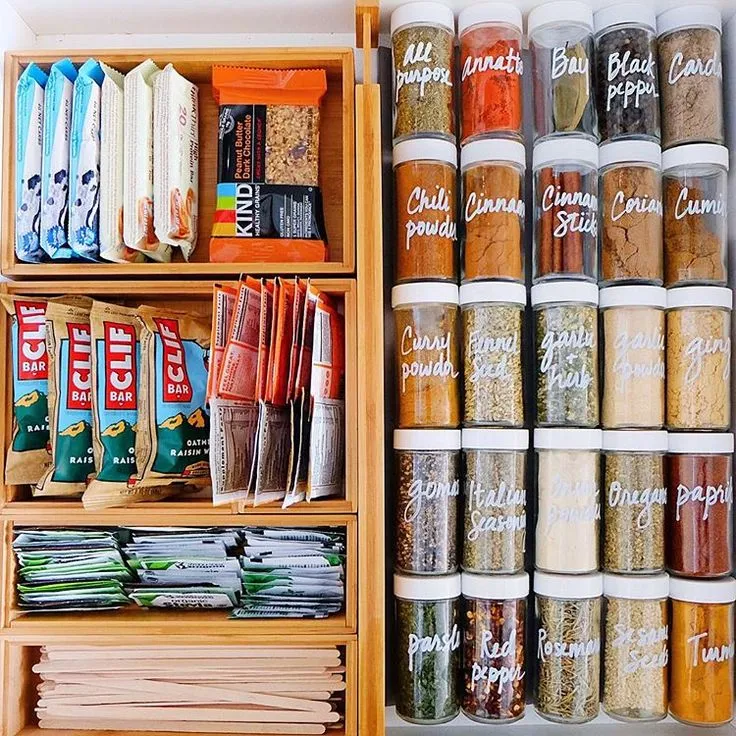
Store your spices away from heat and direct light — not above the stove, not on a sunny windowsill. A drawer or a cabinet shelf works perfectly. The goal is consistency, not decoration.
What Comes Next
Once these eight spices feel like old friends, you'll start to notice what's missing. You'll reach for turmeric when you want color and earthiness. You'll want coriander when cumin alone isn't quite enough. You'll find yourself curious about sumac, or za'atar, or smoked salt.
That curiosity is exactly the point. A spice collection isn't something you build once and seal shut — it grows with you, recipe by recipe, meal by meal.
But it all starts with a solid foundation. These eight will get you there.