The Art of Spice Pairing: A Home Cook's Guide to Building Flavors That Actually Work Together
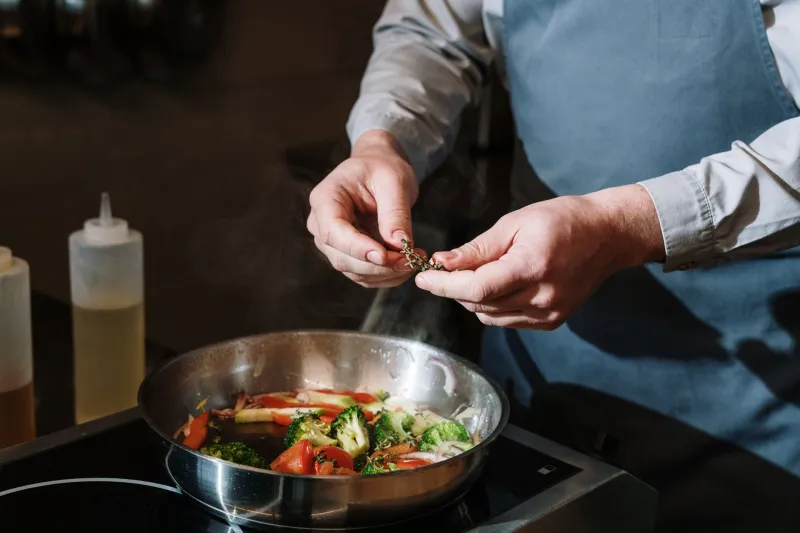
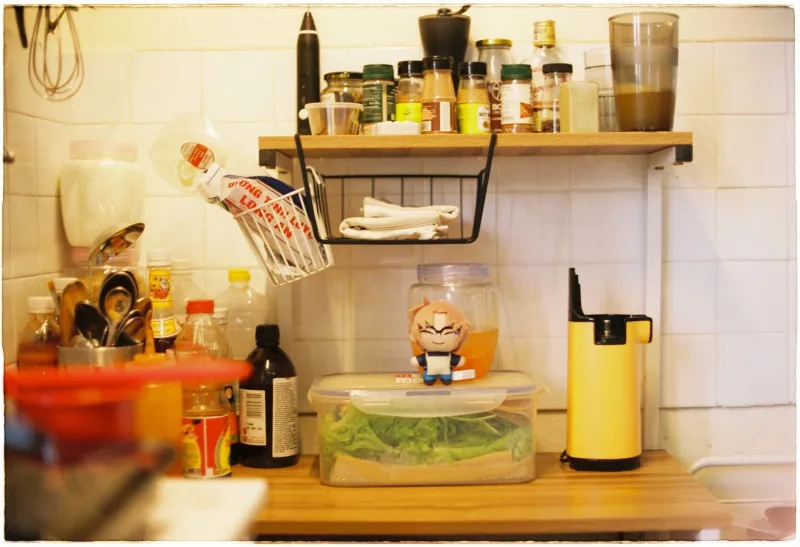
Every cook has had that moment: you're staring at your spice rack, you grab three or four jars that seem like they should work together, and the finished dish tastes like... a question mark. Not bad, exactly. Just confused.
Spice pairing isn't magic, and it's not some secret knowledge locked away in culinary schools. It's a learnable skill built on a handful of principles that, once you internalize them, make your cooking feel less like guessing and more like composing. This is how you get there.
Why Some Spices Work Together (And Others Don't)
At the most basic level, spices pair well when they share aromatic compounds — the chemical building blocks that give each spice its distinctive smell and taste. Cinnamon and clove, for instance, both contain eugenol, which is why they feel so natural together in everything from apple pie to mulled wine. Cumin and coriander share earthy, citrusy terpenes that make them nearly inseparable in Middle Eastern and South Asian cooking.
But chemistry isn't the whole story. Some of the best pairings work through contrast rather than similarity — a warm, earthy spice balanced by something bright and acidic, or a floral note cutting through something heavy and savory. Think of the way sumac (tart, almost lemony) transforms a lamb dish that's rich with cumin and allspice. The contrast creates tension, and tension creates interest.
The two principles to keep in mind:
- Harmony — spices that share flavor compounds reinforce each other.
- Contrast — spices with opposing characters create balance and depth.
Most great spice blends use both.
Flavor Families: Your Cheat Sheet
Grouping spices into flavor families gives you a practical shorthand for building combinations. These aren't rigid scientific categories — think of them as personality types.
Warm and Sweet: Cinnamon, clove, allspice, nutmeg, cardamom. These spices tend to be rich, slightly sweet, and aromatic. They play well together and also work beautifully with fruit, chocolate, and slow-cooked meats.
Earthy and Savory: Cumin, coriander, fenugreek, turmeric, smoked paprika. The workhorses of global cooking. Grounding, complex, and essential in everything from Indian curries to Tex-Mex. These spices build the foundation of a dish.
Bright and Citrusy: Sumac, dried lemon peel, green cardamom, coriander seed. These add lift and freshness. They're the spices that make a dish feel alive rather than heavy.
Pungent and Sharp: Mustard seed, black pepper, horseradish, ginger. These spices have an assertive quality — they cut through fat, wake up the palate, and add a kind of restless energy to a dish.
Floral and Delicate: Rose petals, lavender, saffron, fennel pollen. These are the high notes — easy to overdo, but magical in the right proportion.
A reliable pairing strategy: anchor your dish with one or two spices from the earthy/savory family, add depth with a warm/sweet note, and lift the whole thing with something bright or pungent. That's the architecture behind countless iconic spice blends — from garam masala to ras el hanout to jerk seasoning.
Three Pairings to Practice Right Now
Theory is useful. Practice is better. Here are three combinations that demonstrate these principles in action, with simple applications you can try this week.
Cumin + Coriander + Smoked Paprika The holy trinity of earthy cooking. Cumin brings the depth, coriander adds a lemony edge that keeps things from getting too heavy, and smoked paprika layers in that charred complexity. Rub this combination on chicken thighs with olive oil and salt, then roast at 425°F. Forty minutes later, you'll understand why this trio appears in some version in almost every cuisine on earth.
Cinnamon + Allspice + Black Pepper This is the flavor signature of Jamaican jerk and Moroccan kefta — warm spices given an assertive edge by pepper. The sweetness of cinnamon and allspice makes the pepper more interesting; the pepper keeps the warm spices from going cloying. Try it in ground lamb meatballs with a little fresh mint. The contrast between the spiced meat and the cool herb is a masterclass in balance.
Cardamom + Ginger + Turmeric Bright, floral, and slightly medicinal in the best way. This is the foundation of golden milk, but it goes way beyond that. Bloom these three spices in coconut oil, add a can of diced tomatoes and some chickpeas, and you have a weeknight dinner that tastes like it took hours. The cardamom lifts, the ginger sharpens, the turmeric grounds.
When a Combination Falls Flat: Troubleshooting
Sometimes you do everything right and the dish still doesn't sing. Here's how to diagnose what went wrong.
It tastes muddy. You've used too many spices from the same family. When everything is earthy and warm, nothing stands out. Add something bright — a squeeze of lemon, a pinch of sumac, or some fresh herbs — to create contrast.
It tastes flat, like nothing is coming through. Your spices might be old (check for a dull smell rather than a sharp one), or you skipped blooming them. Pull the dish off the heat, bloom fresh spices separately in a little oil, and stir that in.
One spice is dominating everything. Clove and fenugreek are the usual suspects — both are powerful and can easily take over. Balance with something acidic (vinegar, citrus) or add more of the other spices to restore proportion.
It tastes sharp and aggressive but not deep. You're heavy on the pungent family and light on the earthy anchor. Add cumin or coriander to ground the dish.
The One Rule That Ties It All Together
Season in layers, not all at once. Add your base earthy spices early — bloom them in fat before the other ingredients go in. Add warm spices mid-cook. Finish with anything bright or delicate right before serving. This approach means every spice gets to do its job at the right moment, and the final dish has dimension instead of just heat or just one-note flavor.
Pairing spices well isn't about memorizing combinations. It's about understanding what each spice brings to the table and making intentional decisions about what a dish needs. Once that clicks, your spice rack stops being a collection of individual jars and starts being an instrument you actually know how to play.