You Don't Hate Spicy Food — You Just Haven't Met the Right Spices Yet
Let's get one thing straight: bold flavor and spicy heat are not the same thing. Not even close.
If you've been steering clear of the spice aisle because you once ate something that made your eyes water and vowed never again — first of all, same. Second, you've been missing out on an entire universe of flavor that has absolutely nothing to do with chili peppers. We're talking deep, aromatic, almost mysterious complexity that comes from seeds and bark and dried flowers. The kind of thing that makes people say "what is that?" about your cooking — in the best possible way.
This is your entry point. No fire alarm required.
What "Bold" Actually Means (Hint: It's Not Just Heat)
Heat gets all the attention. It's dramatic. It's the thing people brag about at restaurants when they order the hottest wings. But professional cooks will tell you that capsaicin — the compound that makes peppers hot — is just one tiny corner of the flavor world.
Boldness, in the truest culinary sense, means presence. It means you taste something and it stays with you, layers unfolding as you chew. It means a dish has a point of view. That kind of boldness comes from spices that have nothing to do with heat: the floral warmth of cardamom, the citrusy brightness of coriander, the slightly bitter, maple-adjacent funk of fenugreek. These are the ingredients that make Indian dals, Moroccan tagines, and Ethiopian stews taste like nothing else on earth — and none of them are trying to set your tongue on fire.
So if you've written off "spiced food" because you assumed it meant suffering, it's time to reconsider.
Your Starter Five: Heat-Free Spices That Actually Do Something
You don't need a fully stocked spice cabinet on day one. Start with these five, learn how they behave, and you'll already be cooking at a level most people never reach.
Cardamom — This one smells like a dream: floral, slightly minty, warm without being hot. It shows up in Scandinavian pastries, Indian chai, and Middle Eastern rice dishes. A pinch in your morning oatmeal will genuinely change your life.
Coriander (ground) — The seed version of the cilantro plant, and it tastes nothing like the herb. Earthy, lemony, a little nutty. It's the backbone of so many spice blends you've loved without knowing it. Try it on roasted carrots or rubbed into chicken thighs before you sear them.
Smoked Paprika — Technically from dried peppers, but the smoked varieties have almost zero heat. What they do have is this incredible depth — like someone charred the best part of a wood fire and bottled it. Toss it with olive oil and chickpeas. You're welcome.
Fenugreek — Okay, this one is a little weird, and that's exactly why you need it. It smells faintly of maple syrup and tastes slightly bitter in a way that rounds out savory dishes beautifully. It's a key player in curry powders and Ethiopian spice blends. A small amount goes a long way.
Cumin — You've probably already cooked with this one without realizing it. It's in taco seasoning, chili powder, hummus. Earthy, slightly smoky, warm. This is the gateway drug of the spice world, and once you start using it intentionally — not just out of a pre-made packet — you'll understand why every cuisine on earth seems to have claimed it.
How to Actually Use These Without Overthinking It
Here's the thing about new spices: most people either ignore them or dump in too much and then blame the spice. Neither approach is fair.
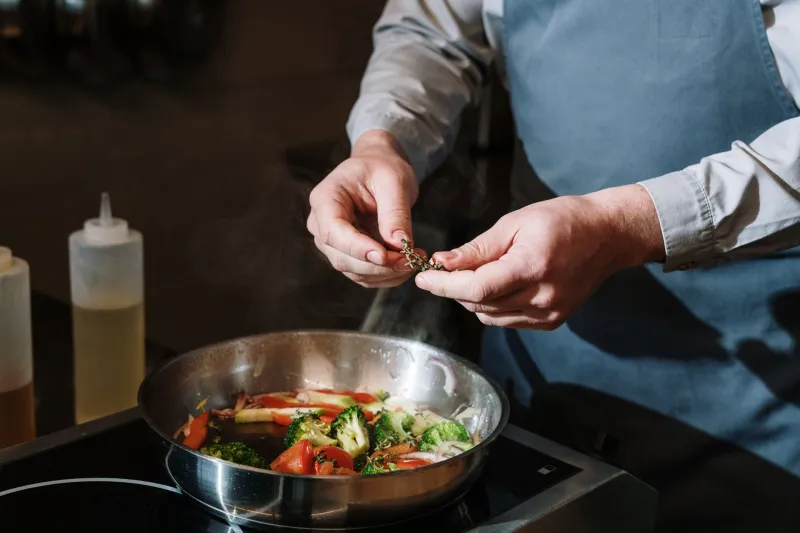
The single best way to learn a spice is to bloom it. Heat a little neutral oil or butter in a pan, add your spice, and let it sizzle for about 30 to 60 seconds before you add anything else. That brief moment of heat wakes up the aromatic compounds and transforms raw, powdery flavor into something rounded and alive. It's the difference between flour and a roux — same ingredient, completely different result.
Once you've bloomed a spice, taste the oil. Seriously. Dip a piece of bread in it. This is how you learn what a spice actually tastes like when it's doing its job, not just sitting in a jar.
Then start simple:
- Bloom cumin in butter, toss with roasted sweet potatoes.
- Stir ground coriander and smoked paprika into Greek yogurt for a dip.
- Add a cardamom pod or two when you cook basmati rice.
- Rub fenugreek and cumin on salmon before pan-searing.
None of these require a recipe. None of them will hurt you. And all of them will taste like you know what you're doing.
The Confidence Trick Nobody Talks About
Here's what experienced cooks understand that beginners often don't: spices are forgiving. Not in a "dump the whole jar in" kind of way, but in the sense that most of them build rather than break a dish. Adding a quarter teaspoon of coriander to your scrambled eggs isn't going to ruin your breakfast. It's going to make you curious. That curiosity is the whole game.
Start with less than you think you need. You can always add more. You can't take it back out.
And give yourself permission to be surprised. A lot of people who claim they hate spiced food have simply never had it done well. They've had dull, dusty spices shaken out of a jar that's been sitting in a cabinet since 2019. Fresh, properly stored, intentionally used spices taste nothing like that.
You Were Never the Problem
If your relationship with bold cooking has been rocky, the spices were probably to blame — not you. Old spices, wrong spices, or the wrong idea about what "adventurous" eating actually means.
The real adventure isn't about how much heat you can tolerate. It's about how much flavor you can discover. And the five spices above are just the beginning of a much longer, much more delicious journey.
Your kitchen is already capable of more than you think. You just needed the right starting point.