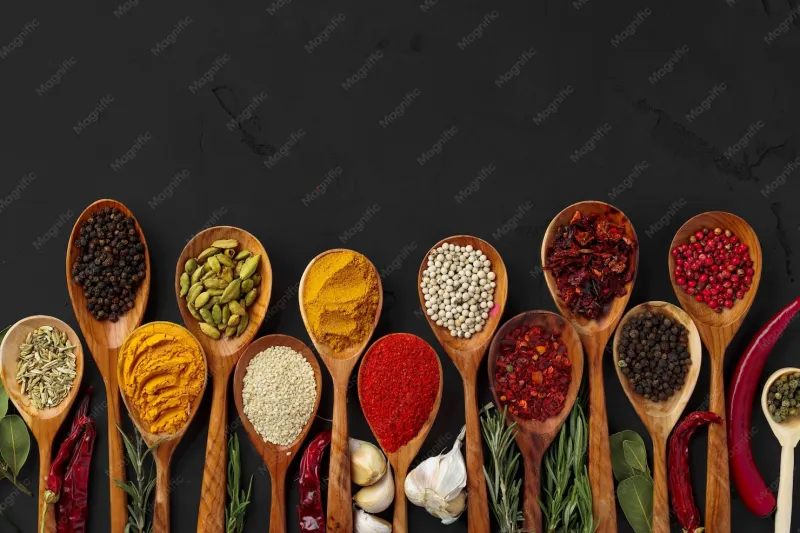
Baking with Heat and Funk: The Case for Savory Spices in Your Desserts

Photo by Photo by Hsu-Han on Unsplash on Unsplash
Somewhere along the way, we decided dessert had its own spice lane — cinnamon, vanilla, nutmeg, maybe a little ginger if you're feeling bold — and everything else belonged in savory territory. It's a clean division. It's also a little boring.
The most exciting baking happening right now is happening at the edges of that line. Black pepper in strawberry shortcake. Cardamom folded into dark chocolate ganache. Sumac brightening up a lemon tart. These aren't gimmicks. They're flavor decisions grounded in the same logic that makes great savory cooking work: contrast, depth, and the kind of complexity that keeps you going back for another bite.
If your sweet tooth has been feeling a little under-stimulated lately, this is the article for you.
Why Savory Spices Work in Sweet Contexts
Flavor is rarely just one thing. What we experience as "delicious" is usually a negotiation between competing sensations — sweet and salty, rich and bright, smooth and textured. Savory spices work in desserts for the same reason a pinch of salt works in caramel: they provide contrast that makes the primary flavor more vivid.
Black pepper, for example, contains a compound called piperine that doesn't just add heat — it amplifies your perception of other flavors. When you add a small amount to a fruit-forward dessert, you're not making it taste spicy. You're making the fruit taste more like itself, with an aromatic lift that lingers on the palate.
Cardamom does something similar in chocolate. Its piney, citrusy volatiles cut through the heaviness of cocoa fat and create a brightness that makes you notice the chocolate's own fruity notes — notes that are always there but often get buried.
This is flavor education that applies across the kitchen, not just the dessert course.
Cardamom + Chocolate: A Pairing Worth Committing To
Let's start here because it's the most accessible entry point and the one most likely to convert skeptics.
Ground cardamom — green cardamom, the kind that smells like a cross between eucalyptus and orange blossom — pairs with dark chocolate in a way that feels almost inevitable once you've tried it. The floral, citrusy quality of the cardamom echoes the natural fruitiness in high-quality cocoa, while its slight menthol note adds an unexpected freshness.
How to use it: Start with ¼ teaspoon of freshly ground cardamom per cup of cocoa powder or per 4 oz of melted dark chocolate. Add it to brownies, chocolate ganache, or a simple chocolate mousse. You can increase to ½ teaspoon once you know how the flavor reads to you.
Recipe starter: For a quick chocolate cardamom bark, melt 8 oz of good-quality dark chocolate (70% or higher), stir in ½ teaspoon ground cardamom and a pinch of flaky sea salt, spread onto a parchment-lined sheet pan, and scatter with roughly chopped pistachios. Let it set at room temperature. It will absolutely disappear at your next dinner party.
Black Pepper + Fruit Desserts: The Upgrade You Didn't Know You Needed
Freshly cracked black pepper on strawberries has been a thing in European kitchens for a long time — Italian cooks have been doing it for decades. It never quite caught on in the US mainstream, which is a shame because it genuinely works.
The heat of black pepper doesn't compete with fruit sweetness. It extends it. That warmth lingers after the sweetness fades, giving the dessert a longer, more interesting finish.
Where to use it:
- Macerated strawberries for shortcake (add ¼ teaspoon cracked pepper per pint of berries along with sugar)
- Peach or nectarine crisps (add ½ teaspoon to the topping)
- Spiced pear tarts
- Blueberry compote for cheesecake or pancakes
Technique note: Use freshly cracked pepper rather than pre-ground. The pre-ground stuff has already lost most of its volatile aromatic compounds — you'll get heat without the complexity that makes this pairing interesting. A coarse crack (not a fine grind) gives you pockets of flavor rather than uniform heat distribution.
Sumac + Citrus Desserts: Tart on Tart, and It's Brilliant
Sumac is one of those spices that deserves a much bigger moment in American kitchens. It's a deep burgundy-red powder ground from dried sumac berries, and it tastes like a brighter, fruitier version of lemon — tart and slightly astringent, with a faint berry undertone.
In savory cooking, it's a staple across Middle Eastern cuisine — sprinkled on hummus, stirred into dressings, rubbed onto chicken. In desserts, it's revelatory.
When you add sumac to lemon-flavored baked goods, you're adding another dimension of acidity that plays differently than lemon juice or zest. It's less sharp, more fruity, and it adds a subtle color that makes glazes and frostings look more vibrant.
How to use it: Swap out up to half the lemon zest in a lemon pound cake or lemon bars with 1 teaspoon of sumac per standard recipe. Or whisk it directly into a simple glaze (powdered sugar, lemon juice, and a teaspoon of sumac) and pour it over a plain yogurt cake.
Bonus pairing: Sumac and cream cheese frosting is genuinely one of the most interesting things you can put on a carrot cake. The tartness cuts through the richness of the cream cheese and makes the whole thing feel lighter.
A Few More Pairings to Experiment With
Once you start thinking about dessert spices this way, the combinations start suggesting themselves. A few worth exploring:
Smoked paprika + caramel: A small pinch in a caramel sauce adds a low, smoky note that reads as mysterious and slightly savory. Incredible on vanilla ice cream or in a salted caramel tart.
Turmeric + coconut: The earthiness of turmeric plays beautifully against the sweetness of coconut milk in panna cotta or rice pudding. It also turns everything a gorgeous golden color.
Coriander + orange: Ground coriander has a citrusy, almost floral quality that amplifies orange in cakes and cookies in the same way cardamom amplifies chocolate.
Cayenne + chocolate: This one's more familiar — Mexican hot chocolate has been doing it forever — but even a tiny pinch of cayenne in a brownie recipe adds a warmth that builds slowly and keeps you reaching for the next piece.
Starting Small and Tasting as You Go
The most important technique here isn't any specific pairing — it's the habit of tasting before you commit. When you're adding an unfamiliar spice to a batter or dough, mix a small amount into a spoonful of the base and taste it raw. You'll get a sense of whether the direction feels right before you've baked an entire cake you're not sure about.
Also: err on the side of less. These spices are meant to create depth and intrigue, not to announce themselves. If someone can immediately identify "oh, that's cardamom" without thinking about it, you may have used too much. The goal is for people to ask what's in this — not name it outright.
Your desserts should have layers. Savory spices are how you build them.