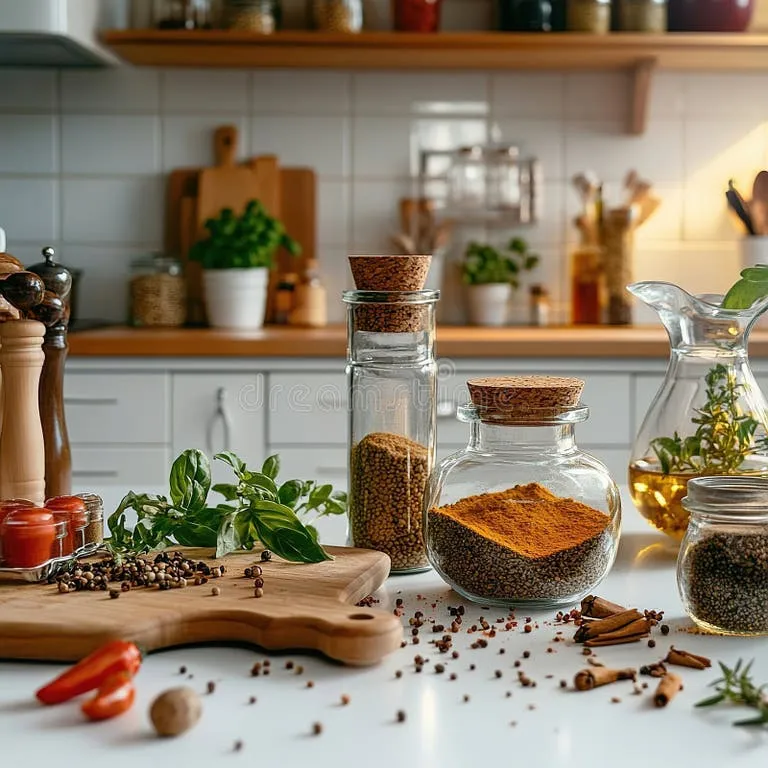
Whole, Ground, or Fresh: The Honest Truth About Which Spice Form Actually Wins
Let's be real for a second. You've stood in the spice aisle at some point, hand hovering between a $3 jar of pre-ground cumin and a $6 bag of whole seeds, asking yourself the eternal question: does it actually matter?
Sometimes the answer is yes — emphatically, noticeably, absolutely yes. And sometimes? Honestly, not even a little bit. The trick is knowing which situation you're in before you commit.
We dug into all three forms — whole spices you crack and grind yourself, pre-ground powders, and fresh aromatics like ginger root and garlic — and ran them through a range of real cooking scenarios to figure out where the differences are real and where they're mostly mythology.
What's Actually Happening Inside a Spice
Before we get into the showdown, it helps to understand what you're working with. Whole spices are essentially sealed flavor capsules. The volatile oils and aromatic compounds that give a spice its personality are still locked inside the seed, bark, or berry, protected from light, oxygen, and humidity. The moment you crack, crush, or grind them, those compounds start escaping into the air — which is exactly what you want when you're cooking, but not so great when they're sitting in a jar for 18 months.
Pre-ground spices have already had that seal broken. They're not bad — not by a long shot — but they're working on a faster clock. A freshly opened jar of good-quality ground coriander can be genuinely excellent. The same jar, six months later, starts to taste like the memory of coriander rather than coriander itself.
Fresh aromatics — your ginger root, whole garlic cloves, fresh turmeric, lemongrass — are a different category entirely. They bring moisture, brightness, and a kind of raw intensity that dried forms simply can't replicate. They're also more perishable and, depending on the dish, can behave very differently than their dried counterparts.
Round One: The Everyday Workhorse Spices
Think cumin, coriander, black pepper, and paprika — the spices you're reaching for three or four times a week. This is where the whole-vs-ground debate gets the most traction, and honestly, the results are more nuanced than the snobs will tell you.
Black pepper is probably the clearest case for going whole. Pre-ground black pepper loses its sharp, piney heat shockingly fast. If you've ever tasted freshly cracked pepper next to the dusty stuff from a pre-filled shaker, you already know. A decent pepper grinder is one of the best $15 investments your kitchen can make.
Cumin is interesting. Whole cumin seeds, toasted briefly in a dry pan and then ground, produce a deeper, earthier flavor with a slightly smoky edge. Pre-ground cumin is more one-dimensional but still totally functional in a long braise, a chili, or a marinade where it's going to cook for a while. The difference is real but not always worth the effort depending on your dish.
Paprika, on the other hand, almost never comes in whole form for home cooks — it's a ground product by nature. Here, freshness of the jar matters far more than the form. A recently opened smoked paprika is going to outperform a stale one every single time, regardless of what brand it is.
Round Two: The Spices Where Whole Form Wins Decisively
There are a handful of spices where grinding fresh makes such a significant difference that it's hard to argue otherwise.
Cinnamon is a big one. Pre-ground cinnamon is fine for most baking, but if you've ever grated a piece of true Ceylon cinnamon stick directly into a dish, the floral complexity is almost startling. Same goes for cardamom — pre-ground cardamom fades incredibly fast, and freshly cracked pods produce an aromatic intensity that's worth every extra second.
Nutmeg is basically the poster child for this argument. Pre-ground nutmeg is a pale imitation. A whole nutmeg, grated fresh over a béchamel or into a spiced cake batter, smells and tastes like an entirely different ingredient. This one is genuinely non-negotiable if you care about the outcome.
Whole cloves and star anise hold their flavor well and release it gradually during long cooking — drop them whole into a braising liquid, a mulled cider, or a pot of pho, and they do their job beautifully. Ground versions in those same applications tend to turn muddy and bitter.
Round Three: Fresh vs. Dried — When They're Not Actually Interchangeable
Here's where things get a little more complicated, because fresh and dried versions of the same ingredient aren't always doing the same job in a recipe.
Fresh ginger is bright, juicy, and a little grassy. It brings a sharp heat that fades quickly during cooking. Ground ginger is warmer, slightly sweeter, and more concentrated — it behaves differently in a batter or a spice rub because there's no moisture involved. Swapping one for the other isn't a 1:1 situation, and many recipes genuinely call for both at the same time for a reason.
Fresh garlic vs. garlic powder is a debate that's generated more kitchen arguments than almost anything else. Fresh garlic is pungent, complex, and transforms dramatically depending on how it's cooked — raw, roasted, sautéed, or confit, it's almost a different ingredient each time. Garlic powder is consistent, blends smoothly into dry rubs and spice mixes, and actually works better in certain applications like seasoning a burger patty or a dry brine where moisture would be a problem. Neither one is the winner across the board. They're tools for different jobs.
Fresh turmeric root has a brighter, more floral quality than the ground powder, and it's worth seeking out at Asian grocery stores or farmers markets when you can find it. But ground turmeric is genuinely excellent for most everyday cooking and significantly more convenient.
The Cost-Benefit Breakdown
So where does this leave your pantry strategy? Here's a practical way to think about it:
- Always buy whole: black pepper, nutmeg, cinnamon sticks (especially for drinks and slow-cooked dishes), cardamom pods, cloves, star anise, and coriander seeds.
- Pre-ground is perfectly fine: paprika (smoked or sweet), ground ginger for baking, turmeric, most chili powders, and any blended spice mix.
- Keep both on hand: cumin (whole for toasting and grinding, pre-ground for quick weeknight cooking), garlic (fresh for most savory cooking, powder for rubs and dry applications).
- Fresh aromatics are worth the fridge space: ginger root, fresh garlic, and lemongrass when you're cooking Southeast Asian or South Asian dishes where they're central to the flavor profile.
The other piece of this is buying smarter rather than buying more. Smaller quantities of fresher spices — whether whole or ground — will always beat larger quantities of stale ones. That giant jar of pre-ground something from a warehouse store might feel like a deal, but if it's going to sit there for two years, you're paying for a flavor ghost.
The Bottom Line
The whole-vs-ground debate isn't really about being a purist. It's about understanding what each form does well and matching it to what you're actually cooking. Some upgrades are genuinely worth it — your pepper grinder, your whole nutmeg, your cardamom pods. Others are honestly fine as shortcuts, especially on a weeknight when dinner needs to happen in 30 minutes.
A curious kitchen isn't about doing everything the hard way. It's about knowing why you're making the choice you're making — and then making it with confidence.